
In 2026, the concept of home improvement has shifted from simple aesthetic refreshes to the total integration of high-performance mechanical systems and luxury living environments. Property owners are no longer satisfied with just a coat of paint; they want a home that functions as an intelligent, autonomous ecosystem. This evolution is most prominent in two specific areas: the climate control infrastructure and the primary suite bathroom. These systems represent the “lungs” and the “sanctuary” of the home, respectively, and their modernization is the key to both long-term comfort and property valuation.
Planning a high-tech overhaul requires a strategic mindset that balances architectural beauty with engineering precision. When you embark on this journey, you are doing more than just picking out tiles or adjusting a thermostat; you are future-proofing your investment against rising energy costs and evolving lifestyle needs. This guide provides a comprehensive roadmap for navigating these complex projects, ensuring that your home’s hidden infrastructure is as impressive as its visible finishes.
Engineering the Modern Climate Control Environment

In 2026, the sophistication of environmental controls has evolved to a point where the home essentially anticipates the needs of its inhabitants. The foundation of any high-tech property is its ability to maintain a consistent, healthy environment regardless of the external weather, moving away from reactive heating or cooling toward a proactive, stabilized climate. In the current era, this goes beyond just blowing cold or hot air through vents; it involves a complex interplay of air purification, moisture management, and thermal regulation. Modern climate systems utilize AI-driven sensors that monitor air quality, humidity, and occupancy patterns in real-time, feeding this data into a centralized processor that balances performance with preservation. This predictive technology allows the system to learn your schedule and adjust temperatures before you even enter a room, maximizing energy savings without sacrificing a single degree of comfort. By analyzing historical data and external weather forecasts, the infrastructure can pre-cool or pre-heat the building using the most cost-effective energy cycles available. Furthermore, these smart sensors can detect a spike in CO2 or volatile organic compounds and automatically increase fresh air exchange, ensuring the indoor atmosphere remains as healthy as it is comfortable. This transition from manual control to automated intelligence represents the pinnacle of modern property management, where the machine serves the human experience with invisible, mathematical precision.
When evaluating an aging system, the decision to repair versus replace has become a matter of mathematical efficiency. If your current unit is over a decade old, you are likely missing out on the massive leaps in SEER2 ratings and variable-speed compressor technology that define the modern market. Consulting with local ac companies is the first step in determining if your system is a candidate for a full air conditioning replacement. These specialists can perform a “load calculation” to ensure your new unit is perfectly sized for your home’s specific square footage and insulation levels, preventing the cycle of short-cycling that leads to premature wear and high utility bills.
- Variable-Speed Technology:
Unlike older models that are either “on” or “off,” modern units can run at lower speeds for longer periods, providing more consistent humidity control. - Smart Air Filtration:
High-efficiency MERV 13 or 16 filters are now standard in high-tech overhauls, removing viruses and allergens from the air. - Leak Detection:
Advanced diagnostic tools allow technicians to find microscopic leaks in the coolant lines that would have been invisible to the naked eye five years ago. - Whisper-Quiet Operation:
Newer exterior condensers are designed with noise-dampening shrouds, allowing for peaceful outdoor living even when the system is under heavy load.
Navigating Complex Commercial and Residential Infrastructure
For those managing larger properties or mixed-use spaces, the complexity of a mechanical overhaul increases significantly. The structural requirements for high-density buildings often involve heavy-duty ductwork, complex fire-suppression integration, and sophisticated central plant systems. In these scenarios, the expertise of commercial contractors is vital. These professionals are accustomed to working within tight architectural tolerances and coordinating with municipal inspectors to ensure that every foot of ductwork and every electrical connection meets the rigorous building codes of 2026.
Even in residential settings, the most successful projects are those led by certified HVAC contractors who view the home as a single, interconnected system. They don’t just look at the furnace; they look at the attic ventilation, the window seals, and the basement humidity. By taking this holistic view, they can ensure that the new equipment isn’t forced to overwork because of a hidden draft or a blocked return vent. This level of technical oversight is what separates a standard installation from a professional mechanical integration.
- Zoned Control:
Commercial-grade zoning allows you to heat or cool specific sections of a building independently, drastically reducing waste in unoccupied areas. - Regulatory Compliance:
Professional installers ensure that all refrigerants used are compliant with the latest environmental mandates, protecting your home’s resale value. - Ductwork Integrity:
An overhaul often includes a total redesign of the plenum and main trunk lines to optimize static pressure and airflow velocity. - Integrated Controls:
High-tech systems should speak the same “digital language” as your home automation hub, allowing for seamless control via voice or mobile app.
Designing the High-Tech Spa Experience
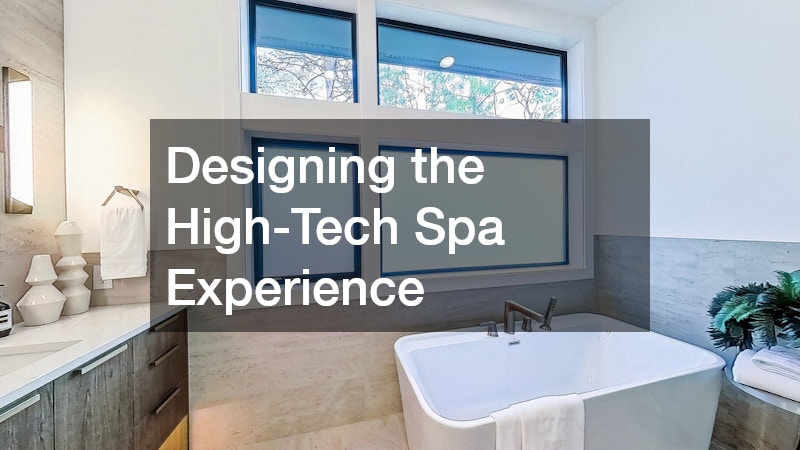
The modern bathroom has moved away from the utilitarian designs of the past to become a personalized wellness center. This transformation is led by the integration of digital water management and low-profile architectural features. One of the most significant trends in this space is the move toward walk in shower remodeling projects that eliminate traditional thresholds. This “wet room” concept not only creates a more expansive visual feel but also prepares the home for aging-in-place, combining high-end luxury with universal design principles.
Achieving this look requires more than just a talented tile setter; it requires the vision of specialized bathroom remodel designers who understand the interplay between waterproofing technology and aesthetic finishes. These designers help you navigate the choices between smart glass that frosts at the touch of a button, aromatherapy-integrated steam units, and chromotherapy lighting that changes color to help you wake up or wind down. The goal is to create a space that feels like a five-star spa while functioning with the reliability of a high-end laboratory.
- Digital Valves:
These allow you to set your exact preferred water temperature and pressure, ensuring your shower is ready the moment you step in. - Linear Drains:
By sloping the floor in a single direction toward a sleek wall drain, designers can use large-format tiles that were previously impossible in a shower. - Radiant Heating:
Electric heating mats installed under the floor and even inside the shower bench provide a level of comfort that forced-air heating simply cannot match. - Voice-Activated Tech:
From starting the steam shower to adjusting the mirror lighting for makeup application, voice control is becoming a staple of the modern bath.
Strategic Water Heating and Furnace Reliability
A high-tech home is only as reliable as its ability to provide hot water and heat on demand. The transition toward tankless water heaters has been a cornerstone of the modern plumbing overhaul. These units provide an endless supply of hot water while occupying a fraction of the space of a traditional tank. However, a successful water heater install requires precise gas line calibration and proper venting to ensure the unit can handle the high-BTU demand of a multi-head spa shower. When done correctly, this upgrade eliminates the “cold shower surprise” forever.
On the heating side, winter readiness is about more than just a thermostat setting. It is about ensuring the mechanical heart of the home is free of defects. Homeowners often neglect their heating systems until the first freeze, leading to a panicked search for furnace repair in the middle of a blizzard. A high-tech overhaul includes the installation of self-diagnostic sensors that alert you to a failing igniter or a clogged inducer motor weeks before the system actually shuts down. This proactive approach to maintenance is the hallmark of a well-managed 2026 property.
- Recirculation Pumps:
Smart pumps learn your hot water usage patterns, ensuring instant-on hot water at every tap without wasting energy during the night. - Hybrid Systems:
In some regions, combining a high-efficiency gas furnace with an electric heat pump provides the ultimate hedge against fluctuating energy prices. - Secondary Heat Exchangers:
Modern furnaces capture heat that was previously wasted through the exhaust, squeezing every possible bit of energy out of your fuel source. - Remote Monitoring: Many new water heaters and furnaces can send “health reports” directly to your service provider, allowing for remote troubleshooting.
Coordinating the Mechanical Build Team

The final and most difficult stage of a high-tech overhaul is the coordination of the various trades. Because these systems are increasingly digital and interconnected, the plumber, the electrician, and the climate specialist must work in perfect harmony to ensure that data pathways, power supplies, and mechanical fluid lines do not conflict within the wall cavities. This is why many homeowners choose to work with specialized HVAC companies that have established relationships with other high-tech trades, as these collaborative networks prioritize shared timelines and integrated planning. When the team is synchronized, the installation of the control panels, the hidden sensors, and the main units happens in a logical sequence that protects the delicate electronic components from the dust and debris of construction, ensuring that smart hardware is installed only after the coarse building phases are complete. When vetting your team, it is essential to prioritize heating and air conditioning contractors who hold advanced certifications in smart-home integration and eco-friendly system design. These professionals understand that the job isn’t finished when the unit turns on; it’s finished when the system is fully commissioned, the sensors are calibrated, and the homeowner is comfortable using the interface. By requiring a structured testing phase, you ensure that every smart-node and control logic is functioning as intended, preventing the “digital glitches” that often plague improperly synchronized projects. A successful project ends with a “digital handoff,” where the pros show you how to monitor your home’s energy usage and air quality from anywhere in the world, empowering you with the knowledge to manage your environment with total confidence and precision. This comprehensive handover marks the transition from a complex construction site to a refined, autonomous living space designed for long-term reliability.
Trade Sequencing:
Ensure the “rough-in” for plumbing and HVAC is completed and pressure-tested before any high-end tile or cabinetry is installed.
Protection Protocols:
High-tech components should be shielded with anti-static covers during the drywall and painting phases of the remodel.- Calibration Phase:
Set aside at least two days at the end of the project for “system tuning” to ensure all sensors are communicating correctly.
Education Session:
A professional team will provide a recorded or written tutorial on how to manage the new systems, ensuring you get the most out of your investment.
Conclusion: The Peace of Mind of a Future-Proofed Property

Embarking on a high-tech overhaul of your bathroom and climate systems is a significant undertaking, but it is one that pays dividends every single day. The modernization of these critical areas moves your property beyond the limitations of legacy infrastructure, replacing noisy, inefficient machinery with whisper-quiet, automated solutions that adapt to your lifestyle. In the competitive property market of 2026, excellence in these core systems is the primary differentiator between a house and a true high-performance home. Buyers are increasingly discerning, valuing the long-term operational savings of a high-efficiency HVAC system and the wellness benefits of a digitally controlled spa environment over simple surface-level updates. By focusing on the intersection of luxury design and mechanical precision, you create an environment that doesn’t just look spectacular, it provides a level of comfort, health, and efficiency that was once the stuff of science fiction. The key to a successful project lies in the selection of your professional partners and your commitment to a holistic, “Roadmap” approach. This requires a shift in perspective, viewing the home as a unified system where the plumbing, electrical, and mechanical components must work in perfect synchronization. When you prioritize the integrity of the hidden systems as much as the beauty of the visible finishes, you ensure that your home remains a sanctuary of reliability for decades to come. This focus on “behind-the-wall” quality prevents future disruptions and protects your investment from the rapid obsolescence of lower-tier equipment. Whether you are enjoying the perfect temperature of a smart-controlled room or the soothing heat of a custom-designed spa shower, you can rest easy knowing that your home is engineered for the future, providing a seamless blend of high-end aesthetics and industrial-grade durability.