A burst pipe is one of the most stressful emergencies a homeowner can face. The sound of gushing water, paired with the sight of rapid flooding, often induces panic. However, acting quickly and methodically in the initial minutes can mean the difference between minor restoration work and catastrophic structural loss. Knowing exactly what steps to take before professional assistance arrives empowers you to regain control over the situation and safeguard your living space.
Shutting Off the Main Water Supply
The very first action you must take when a pipe bursts is to halt the flow of water entirely. Locate your home main water shut-off valve, which is typically found near the perimeter of the foundation, in a basement, or inside a utility closet. Turn the valve clockwise until it is completely closed. If you rely on a private supply system, you may need to power down your pump or contact a specialist in well drilling to inspect the pressure tank and supply lines if the issue originates near the source. Shutting off the main supply stops active flooding and relieves pressure throughout your plumbing grid, preventing further breaks in vulnerable sections of the piping.
Draining Remaining Water from the Pipes
Once the main supply is turned off, residual water remains trapped inside your home plumbing lines. To relieve this remaining pressure and prevent further leakage, open all your faucets starting from the top floor down to the lowest level. Flush all toilets to empty their tanks. Opening these taps encourages trapped air to push out leftover water safely through the drains rather than out of the break point. Additionally, remember to switch off your water heater and electrical heating systems to prevent thermal damage or burnouts while the pipes are empty.
Cutting Power to Affected Areas
Water and electricity present a severe hazard when combined. If the burst pipe has caused flooding near electrical outlets, appliances, or your main breaker panel, do not step into standing water to reach the switches. Instead, if it is safe to do so, turn off the electrical supply to the affected zones from a dry location. If accessing the panel requires walking through wet areas, contact your electric utility provider immediately to shut off power from the outside. Safety must remain your highest priority before any cleanup or inspection begins.
Documenting the Damage for Insurance
Before you start mopping up or removing ruined building materials, take clear photos and videos of all affected spaces. Document the location of the burst pipe, the standing water depth, and every damaged item, including furniture, electronics, and structural framing. This photographic evidence is crucial when filing a claim with your property insurance carrier. Detailed documentation ensures you receive fair compensation for both structural restoration and personal property replacement, streamlining the claims process significantly.
Assessing the Extent of the Damage
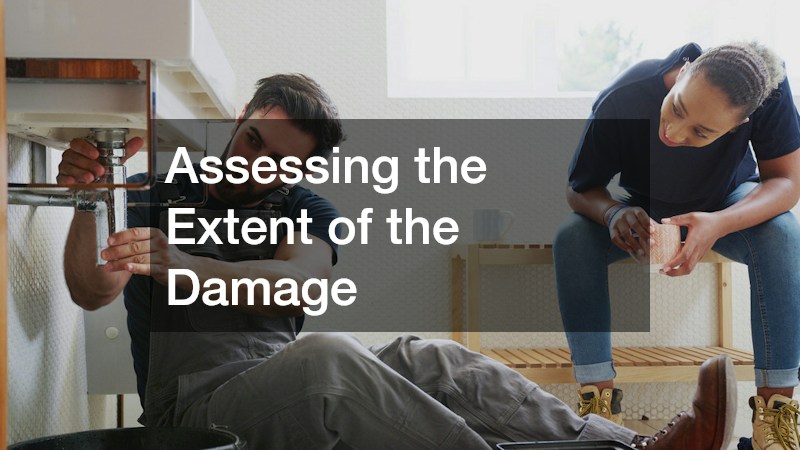
After securing the environment, you must conduct a thorough damage assessment to determine the full scope of repairs. Water travels along the path of least resistance, often traveling far from the original break site behind walls, under floorboards, and through ceiling joists. Understanding how deep the moisture has penetrated allows you to assemble the right team of professionals and map out a comprehensive repair strategy.
Evaluating Visible Plumbing Infrastructure
Begin your inspection by checking all exposed piping in basements, crawlspaces, and under sinks. Look for signs of severe corrosion, longitudinal cracks, or separated joints. If you notice persistent drainage issues or backup in low-lying fixtures during the process, it may indicate a clogged drain, a deeper obstruction, or a structural collapse in the wastewater line. In such cases, hiring a qualified drain cleaning company can clear out accumulated debris or ice, allowing you to accurately pinpoint the structural damage along the pipe walls.
Inspecting Subfloor and Foundation Conditions
Water from a major pipe break quickly seeps into subflooring, joists, and concrete slabs. If the leak occurred on the ground floor or basement level, moisture can accumulate beneath the slab, weakening the soil support and compromising your foundation. Property owners facing deep structural water penetration might require specialized under slab plumbing repair to access and fix broken conduits embedded within concrete foundations without destroying the entire floor structure. Catching foundation level moisture early prevents long term settling and costly structural remediation down the road.
Identifying Wall and Ceiling Saturation
Drywall, plaster, and insulation act like sponges when exposed to water. Inspect vertical walls and ceilings for telltale signs of moisture, such as discoloration, sagging drywall, bubbling paint, or damp insulation. Use a non-invasive moisture meter if available to check behind intact wall surfaces. Any drywall that has absorbed significant water must be removed and discarded promptly, as trapped moisture creates an ideal environment for harmful mold spores to propagate within 24 to 48 hours.
Repair Strategies for Broken Plumbing Lines
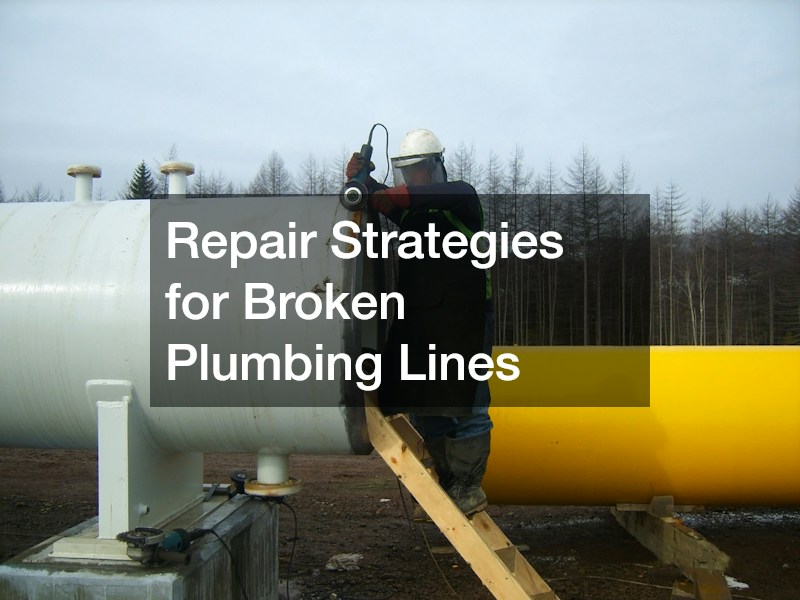
Once the site is stabilized and evaluated, actual plumbing repairs must commence. Modern plumbing techniques offer several ways to fix damaged pipes, ranging from traditional physical replacement to non-invasive trenchless methodologies. The best approach depends on the location of the break, the age of your pipes, and your overall project budget.
Traditional Pipe Replacement Methods
For accessible pipes inside walls or under cabinets, traditional replacement remains a highly reliable choice. Technicians cut away the ruptured section of pipe and solder or clamp a new segment of copper, PEX, or PVC in its place. When searching for qualified specialists to execute these repairs, reviewing local plumbing companies helps ensure you find licensed technicians familiar with your municipal building codes and regional climate considerations. Traditional methods allow for direct visual confirmation that the new fittings are completely watertight.
Minimally Invasive Underground Repairs
When a pipe breaks beneath a yard, driveway, or landscaped area, traditional excavation can be incredibly destructive and expensive. Modern technology now allows plumbers to repair underground lines with minimal digging. Utilizing advanced trenchless pipe repair methods, technicians can restore damaged sewer or water supply lines using targeted access points, sparing your lawn, hardscaping, and garden beds from extensive destruction while significantly cutting down on labor time.
Structural Pipe Lining Applications
For long stretches of damaged underground or sub-slab pipe, lining offers an efficient alternative to total pipe replacement. Through professional trenchless pipe lining services, an epoxy saturated liner is pulled or blown into the existing damaged pipe and cured in place using hot water or steam. This creates a seamless, durable pipe within a pipe that seals off all cracks, fractures, and joint separations, effectively extending the lifespan of your plumbing system for decades without requiring structural demolition.
Structural Restoration and Water Mitigation
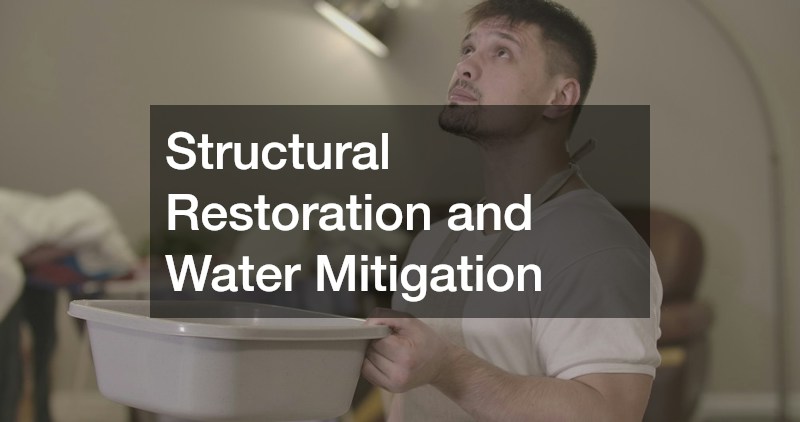
Fixing the pipe itself is only half the battle; restoring your home to a dry, safe, and habitable state requires intensive water mitigation and structural repair. Standing water must be extracted immediately, and structural framing members must be thoroughly dried to prevent wood rot and structural failure.
Complete Water Extraction and Dehumidification
Commercial grade water extractors, heavy duty air movers, and industrial dehumidifiers are essential for removing moisture from carpets, subfloors, and structural studs. Running this equipment continuously for several days pulls deeply embedded moisture out of porous building materials. Monitoring relative humidity levels inside the home ensures that the structure reaches dry standard basements and living quarters before reconstruction begins.
Mold Remediation and Prevention
Mold growth poses a serious health risk and can ruin indoor air quality following a plumbing disaster. Antimicrobial treatments should be applied to all exposed wooden studs, concrete surfaces, and subfloors to prevent fungal spores from establishing roots. If mold is already visible on structural members, it must be remediated through physical scrubbing, HEPA vacuuming, and negative air scrubbing before sealing the space with replacement drywall.
Sealing and Protecting Below-Grade Spaces
Basements and crawlspaces that experience plumbing bursts often remain vulnerable to future moisture intrusion from surrounding soil. Combining internal pipe repairs with professional interior waterproofing services helps keep below-grade areas dry by managing hydrostatic pressure and redirecting stray ground moisture into sump pump systems. Protecting your basement floor and walls ensures long term structural durability against both exterior groundwater and internal plumbing accidents.
Restoring Exterior and Exterior Surrounding Hardscaping
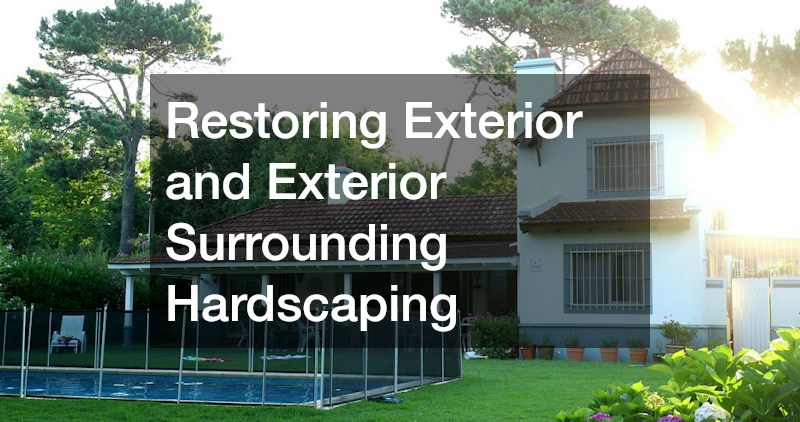
A major pipe rupture, particularly one involving main water supply lines or sewer lines running outside the home foundation, frequently leaves damage outside the home footprint. Heavy equipment, ground saturation, or trenching can compromise driveways, walkways, and outer foundation perimeter areas. Restoring these areas is vital to maintaining curb appeal and proper drainage away from the home.
Rebuilding Compromised Driveways and Paths
Heavy machinery used during excavation can crush asphalt surfaces, while massive underground leaks can wash away supporting soil beneath driveways, causing sinkholes or deep cracking. Engaging a reputable residential asphalt paving team allows homeowners to properly re-base, patch, or repave damaged driveways and parking pads. Ensuring a solid, smooth exterior surface restores easy access and protects underground utilities from heavy vehicular loads above.
Grading and Landscaping Restoration
Proper land grading ensures that rainwater and surface runoff flow safely away from your foundation rather than pooling around basement walls. After underground pipe repairs are completed, backfill soil must be compacted in layers to prevent future settling. Re-establishing lawn turf, decorative gravel, or garden beds over the repaired area completes the exterior recovery, restoring your property to its original condition.
Interior Cosmetic Repairs and Refinishing
With the plumbing restored, the structure dried, and exterior grounds remediated, the final phase of recovery centers on making your home look and feel complete again. Rebuilding drywall, replacing flooring, and applying fresh finishes turns a chaotic repair zone back into a comfortable living environment.
Drywall Hanging and Finishing
After replacing damaged insulation and ensuring internal wall cavities are completely dry, new drywall panels must be hung, taped, mudded, and sanded smooth. Pay close attention to achieving seamless joints between old and new drywall surfaces. Skim coating and proper priming prepare the fresh plaster for paint application, ensuring an invisible repair once decorative topcoats are applied.
Interior Painting and Wall Refinishing
Flooding often ruins room aesthetics, leaving water marks, spackled patches, and uneven textures across walls and trim. Hiring a professional painting service ensures that repaired surfaces match existing architectural finishes seamlessly. Applying high quality moisture resistant primers and durable paint topcoats hides past water staining while protecting wallboard from everyday wear and tear.
Flooring Replacement Options
Subfloors that suffered water exposure must be inspected for warping, delamination, or squeaking prior to installing new surface flooring. Depending on your preference and budget, you can choose water resistant luxury vinyl plank, engineered hardwood, or ceramic tile. Modern waterproof flooring products offer exceptional style while providing built in resistance against potential future plumbing leaks.
Preventing Future Plumbing Bursts
Once your home is fully repaired, taking proactive preventive measures reduces the risk of ever experiencing another catastrophic pipe burst. Routine maintenance, smart monitoring technology, and seasonal preparations keep your plumbing system operating safely year round.
Insulating Vulnerable Pipes
Freezing temperatures are the leading cause of burst pipes in residential properties. Wrap all exposed supply lines located in unheated basements, crawlspaces, attics, and exterior walls with high-density foam pipe insulation or heat tape. During extreme cold snaps, allow indoor faucets to drip slowly to maintain water movement and relieve pressure buildup inside the system.
Installing Smart Water Monitoring Systems
Modern technology allows homeowners to monitor their plumbing systems in real time. Installing an automatic main water shut-off valve with integrated flow sensors can detect unusual water usage or pressure drops instantly. If a pipe ruptures while you are away from home, these smart systems automatically close the main valve and send immediate alerts to your smartphone, preventing massive flood damage before it starts.
Regular Maintenance and Inspections
Scheduling annual plumbing inspections helps identify subtle issues before they evolve into major emergencies. Plumbers can check system water pressure, inspect aging shut-off valves, clear minor line blockages, and check outdoor fixture connections. Proactive care extends the operational life of your entire plumbing network, providing invaluable peace of mind for years to come.
Rebuilding Comfort and Security
Recovering from a burst pipe requires immediate emergency intervention, systematic damage assessment, and meticulous structural restoration. By securing the water supply promptly, engaging skilled trade professionals, and addressing both mechanical and cosmetic damage, you can fully restore your home to a safe, comfortable state. Taking the additional step to implement modern preventive measures will protect your property investment and ensure your plumbing infrastructure remains reliable through every season.